Sunday, 17 February 2013

Question 4b: What do Swedish People think about England?

Photo: Adriana Pusha

Poor housing, bad food, but the humour is good and you are well looked after …

Thirteen of the fifteen people I stayed  with in Sweden had been to England at least once. But the question is whether a weekend in London gives a true picture of England or just contributes to preserve stereotypes? Although five of my study subjects had lived in England for longer periods.

"They’re polite and say " love "and stuff like that to strangers. They drink a lot of tea. They eat bad food. Disastrous school dinners and not so good schools either. "

"I have met many English people who have lived cool lives and had cool thoughts. But I have a bit of a problem with Englishness, there’s too much talk. Everything is "lovely" and "darling" and "nice to meet you." You’re always well looked after, but I have not met anyone, have never had a true meeting. "

"It's a cool language, I like English ladies, they call you " love "and" darling ", you feel looked after in some way."

"Bad food, anyway. They drink tea a lot. I don’t know much about the culture, it’s similar to Sweden.”

"Courtesy."

"There’s nothing weird about saying hello to people in the street. They’re very nice and polite, you get a cup of tea, you’re always invited. Very homelike. "

"There’s not much of a food culture. But there’s history, many events, festivals and things like that. I also think they’re very nice. Some people just start chatting to you, like the lady on the bus. "

"Not good food in general, but super good breakfasts in particular. Full English breakfast is a treat, that you can have breakfast in the middle of the day is a special thing. "

"Not very high standard, cold flats."

"All the houses are cold. But I like the houses and the villages, the old stone houses. "

"The fucking fitted carpets, the draught, the mould, the damp and on top of that the unreasonable rents, damn it!”

"Usually they’re quite nice but sound pretty posh because they speak English. I’m more used to American English, Americans are more relaxed. Great beer, ginger-haired people, rowdy football fans."

"It feels more open. People talk to you just like that, it doesn't happen very often in Sweden. For example I have done coach surfing there and it’s so natural. Here, people find it a bit weird."

"They're very polite, respectful. They’re respectful towards each other, but don’t have respect for authorities. "

"I like British humour, Monty Python."

"Fish 'n' chips. The Royal Family. Humour, comedy, they have the best TV series. "

"They’re not that complicated. They are light-hearted, have a certain kind of humour.”

"The rain. I have watched the Time Team, a series of archaeologists in Britain. It always rain, they’re always soaked. "

"The class system, social division. People voted for Margaret Thatcher. And they voted a second time! A lot of neo-liberal crap. Poor housing. But a lot of culture, music and stuff. "

"A colonial empire. The standard of living and the living conditions are poor. Low wages, crappy jobs. There’s no paternity leave. They still have gender-segregated schools, which is so incredibly conservative and affects people a lot. Their view of women.”

"I'm not particularly drug liberal. The country is a bit passive and it doesn't feel like an exaggeration to link it to the drugs."

"I keep returning to England to get cultural kicks. I watched the Olympic opening ceremony and realised how much I love English culture, it’s the country that has influenced me the most culturally. I almost forget about it because there’s so much that is destructive and sad."

"Brighton is the most vital, vibrating, inspiring city I've ever visited."

"Very old houses. Architecture. A lot of countryside, pub culture, and a lot of football. Rain."

"People are more extreme and stick out more than in Sweden. They say what they mean, but I don’t not know if that’s true. "

"I think a lot about London, it's like other European cities: shopping and musicals, but that’s such a small part of England. There are many people who have been to Stockholm and think that’s Sweden. London is not the whole of England. "

"More familiarity, I picture a pub in front of me, the whole family goes to the pub. A football mad country. The Queen, conservative and royalist. "

"More crowded, more packed, more density in cities."

"Very conservative, but I don’t know if it’s like that, I don’t have in-depth knowledge. I was in London many years ago. It was stern and strict. At Harrods we were not allowed to stand still, a little stiffer than Sweden."

"Divided, more conservative, hierarchies. More rebellious, artistic."

"Spontaneous, simple, easy to understand. Easy to find your way, easy to go on the tube, easy to live there."

This study is by no means scientific, the answers to this particular question are based on interviews with fifteen people in Sweden, aged 22-52. Next question: Where have you travelled?


Friday, 8 February 2013

Question 4a: What do people in England think of Sweden?

From Abba to The Girl with the Dragon Tattoo ...

Five of the fifteen people in England whom I stayed with had been to Sweden, but the others had met or knew a few Swedish people, and have based their impressions on that.


“I group it among the Nordic countries. I know where it is, but I couldn’t draw a shape of it. Now, I happen to know the Swedish flag just because England played Sweden in football and I made the flag for the match.”

“I like the language. I could possibly identify Swedish if it was spoken.”

“Swedes are well-behaved, well mannered, polite. They’re pleased when doing things out of the ordinary. They’re intelligent. Mostly blonde, that’s the first thing that pops into my head.”

“All Swedish people I’ve met are very different.”

Sweden seems very different politically, humanist, liberal.”

“I imagine it a boring place, it’s not based on anything. People say it’s just like England, but I have no desire to go there. There are blonde, attractive people … Björn Borg , blonde bombshells, that’s the exposed image I grew up with.”

“It’s an efficient place – better than here. They do everything properly, correct. A good place, but I associate being good with being boring. More efficient than England, but not as extreme as Switzerland.”

“Quite organised, cleaner, lots of snow, forests, beautiful nature, more culturally uniformed. Women’s right, more equality, progressive, open-minded, maybe a bit more uptight.”

“I feel very ignorant, something to do with living in England, you learn very little about other countries, it really pisses me off. I have stereotypes after watching Ingmar Bergman films. Mum got me to read Selma Lagerlöf, I got a sense of the beautiful forests.”

IKEA, lovely clean life,  furniture, good design. Lingonberry juice, fish dill sauce.”

Ordered, clean, organised. Gentle people. No sense of danger, almost unlived in, no one was out in the streets in Stockholm. Big cities are normally dirty and bustling, it was very clean, no rubbish. I didn’t expect people to steam clean the benches.”

“They’re all tall and blonde. Scandinavia, we lump all those countries together. I  had friends from Finland and Norway. German efficiency. Gloomy, high suicide rates. Beautiful country, cold in terms of weather. Too expensive to get there. Corporate executives sitting together in saunas. On the surface there are utopias, but there’s the dark corrupt heart of the Swedish dream …”

“Good music, good bands. Cardigans. The first country to be able to get indie music outside of Britain.”

“I’ve been once to Gothenburg for a friend’s wedding. I was struck by the architecture, it all looked like IKEA. People were quite friendly, but very straight edge. They’re strict cut or they are Goths. Alcohol is really expensive. People in bars were friendly. They have country houses, they go ice-skating. It’s not a very loud country, English people were getting drunk, the Swedish people were quite restrained. They have an appreciation of finer things, enjoying food, enjoying the outdoors, garden spaces, nature. I was impressed by the food, I had reindeer and vodka.”

Beautiful, but boring. I like the sound of the language.”

“They used to have a large empire like Britain, but have adapted better.”

“A reputation for being a bit organised.”

“They’re sexually liberated,  they go naked in saunas.”

“I don’t know anything about Sweden. There are four or five Swedish people in this area, they seem very nice, but I don’t know anything at all … It snows, it got trees, IKEA, chocolate – oh, no that’s Switzerland.”

“My first impression when I was travelling was that the Swedes and the Canadians got the British. They have a similar sense of humour, they find the same things funny.”

“There’s a lot of tradition in Sweden, it always gob-smacked me. Lucia and carols at Christmas, the Semla buns. The cakes you have for birthdays, special food for Christmas.”

“Clean, the streets very clean, never a traffic jam.”

“The Swedes like to please even when they can’t pull through.”

“Swedes are quite serious people, friendly but quite serious and quite traditional.”

“I got a good feeling about it, you hear a lot of good things about it, even if there are high taxes people are well looked after. There are free nurseries for mums.”

“When it snows the whole country doesn’t come to a standstill.”

“People are more socially minded, organised, sophisticated, cultured.”

“They’re very friendly, very sweet, polite, but seem a bit wide-eyed about kissing on the cheek.”

“If you mentioned the word Sweden, ABBA would leap to mind. You get stereotypes from magazines and films. People are incredible beautiful, handsome with blue eyes. But now you’re shown a lot of the dark side of Sweden with things like The Girl with the Dragon tattoo, not the blonde-singing stereotype.”


This study is by no means scientific, these particular answers are based on interviewing fifteen people in England, aged 25-59. Next question: What do people in Sweden think of England?


Saturday, 2 February 2013

Question 3: Which Traditions do you Celebrate?

Can you celebrate Friday the 13? How many people swim in the sea on Christmas Day? The most interesting traditions are the ones you make up yourself in my opinion. Not many of the people I stayed with had their own ones, but then it’s hard to define what a tradition is. Many people have rituals they’re not even aware of themselves, but a ritual isn’t necessarily a tradition, it might be a practise of sorts.

Some people mentioned watching a certain TV-programme on a certain day or having a nice meal on a Friday night, but I’d call that a habit rather than a tradition. However I found it hard to exclude Sunday roast… I’ve tried to group the answers in order of popularity.

Traditions that People in England Celebrate


Christmas (“whether you want to or not”, “when getting together for Christmas, Mum will get everyone to stand around toasting with champagne, it’s a bit more formal than I’d like it to be”)

New Year (“dad shoots a cannon so loud it breaks windows”)

The Summer and Winter Solstice, Beltane, pagan stuff, celebrating the seasonal changes (“I used to go to Stonehenge as a pagan holiday”, “we marked the solstice by setting off lanterns on the seafront”)

Having Sunday roast (“I’m very English in that way , to the point it annoys my partner, but I don’t want anything but Sunday roast on a Sunday”)

Pancake day (“I’m not necessarily celebrating it on Pancake day. Before it was associated with lent or Passover, a way of putting all leftovers in a pancake, so not to be tempted to have leftover food when fasting, but I don’t do it for that reason”)

Halloween

Easter

Burn’s night

Bonfire night

Valentine’s day

Mother’s day            

My birthday (“On my birthday I do what I want, I have never worked on my birthday, I wouldn’t lift a finger”)

Going to the beach on the Summer Bank Holiday

Sea-swimming on Christmas Day

St Patrick’s day (said by a person with Irish blood)

My Saint’s day (a Polish tradition)

Traditions that People in Sweden Celebrate


Christmas (“we always write rhymes on the presents”, “we put a fir-tree mat on the kitchen floor”, “we open one present at a time, nobody is allowed to open anything before everyone has had a present”, ”it has become a thing to outdo last year’s vegan smörgåsbord, to show the meat eaters that I can make even better food than them”)

Lucia (a tradition with pagan and Christian origins, people dress up in long white shirts, put candles in the hair and sing carols)

Midsummer (“A snaps and herring is a must for me, if I was abroad I’d make sure to bring it with me”. Dancing around the maypole is also obligatory!)

Cray-fish party (People eat a lot of crayfish at the end of summer, wear silly hats, drink snaps, just an extention of Midsummer really...)

New Year

Easter

Going to the grave on All Saint’s Eve (putting candles on ancestors’ graves, hanging round graveyards, what people used to do before Halloween hit Sweden)

Friday the 13 (” you can have bad luck without it being a problem, if something bad happens you can think it’s Friday the 13, it’s an excuse in a way”)

My wedding day. Panacotta on anniversaries and Valentine’s Day

Camping on the beach in summer. Going to Öland once a year with the family to do certain things. Sleeping on the porch when the children were little to celebrate it was the summer holidays

My thoughts: I prefer the Solstice to Midsummer

Everyone I stayed with celebrated Christmas in one way or another. Even though some were very reluctant, they often got invited to a Christmas dinner of some sort. Even the people who came from different religious backgrounds. I’ve blogged about the differences between English and Swedish Christmas here.

Easter just means a couple of days off for most people. Pancake day is much more popular in England than in Sweden.

The English people seemed more interested in pagan rituals than Swedish people, but that’s not a very fair comment as Midsummer, originally a pagan ritual, is almost as holy as Christmas for Swedish people. And that a majority of the English people I stayed with live in Brighton also explains the interest in celebrating the solstice.

When I grew up I never liked Midsummer because I found it too stressful trying to find a party and people were likely to get too loud and drunk. So after all my years in England I prefer celebrating the Summer Solstice and to do something more spiritual like meditating even though I often have a drink as well. Last year, as I was in Sweden, I made my family celebrate the Winter Solstice by going out in the forest when it was dark to drink glögg and do a scream.

Best & Worst

A tradition that comes from my family is that when we’re gathered for different holidays and celebrations we always get together at the end of each day and share our worst and best moment of the day. This was a tradition that I brought to all the people I stayed with during the Swenglish project.

Worst yesterday: finding my mum and dad and brother boring for watching telly when I wanted to hang around and chat after dinner

Best yesterday: my brother making me laugh about a bag of old music cassettes I’d asked him to sort out

This study is by no means scientific, the answers are based on interviewing fifteen people in England and fifteen people in Sweden, aged 22-59. Look out for the next question: What do the Swedes think of England and what to the English think of Sweden?


The Stonehenge photo is my own, the Maypole and the pancake are taken from:
photo credit: <a href="http://www.flickr.com/photos/dahlstroms/7418337612/">Håkan Dahlström</a> via <a href="http://photopin.com">photopin</a> <a href="http://creativecommons.org/licenses/by/2.0/">cc</a>
photo credit: <a href="http://www.flickr.com/photos/your_teacher/105944231/">Lynne Hand</a> via <a href="http://photopin.com">photopin</a> <a href="http://creativecommons.org/licenses/by-nc-nd/2.0/">cc</a>


Friday, 25 January 2013

Question 2: What does it mean to you being English/Swedish?

A few of the people I stayed with were born in countries outside England or Sweden or had mixed nationalities, but I've included some of their answers as well.

What being English meant to people in England


Cricket in the summer (I prefer playing to watching).Yorkshire pudding. Full English breakfast. Ploughman’s lunch. Tennis – Wimbledon. Buildings. Great language to play around with. Multiculturalism. Enjoying the seasons. Having a small country with lots of different stuff in it – different aspects of the country, dialects etc. The coast. Literature, poetry. Get a cup of tea and watch David Attenburg’s antic road show. I definitely identify myself as being English, more than British

Not very much really. To be proud of being English is a violent and dangerous thing

A sense of belonging, a rooted feeling of seeing the English countryside

Shared associations, cultural references, shared collected experiences of my generation living in England, all the things I've been part of: the women’s liberation moment, political things, demonstrations

My travelling has made me more diluted than being English. I like a c cup of tea and English food actually. Curry is very English. I’m privileged to be British, the passport can take you anywhere. We have the NHS. We’re allowed to be eccentric, people are more similar in other countries, punk and all that came out of Britain

I’m half Irish, I’m not totally at home with my Englishness. It can mean a high hybridity, a lot of people are half Irish, half Scottish, half Welsh…

There’s nothing but benefits being English. I had great education. I’m not poor. There’s a great health service, NHS is really a great English thing

I’m only half-English, my mum is half Scottish, half Welsh. It doesn't mean much to me… An accident of birth, I happen to be here because of my parents. I’m nor proud or ashamed. I identify myself as British

Well, I’m half Irish. We should be European, integrated with everyone. We were a sea-faring nation, we have the potential of being inclusive of everyone. It doesn't mean much to me really, everyone is mixed up, that’s one thing that’s good about modern Britain, we get a lot of different views and cultures mixed together. I identify as British

We can travel anywhere with our passport. Have not thought about that, am not a massive patriot. The only time it was handy being English was in South America
because they hate the Americans. I only identify as English because of my accent I suppose. We didn't have football in our lives, no church of England religion… We were not segregated out to be English

Well I've never actually felt English, both my parents are South African, both of them had a kind of grudge against the British. Even if they’d decided to live here, there’s always this kind of thing, this pride in not being English. I grew up feeling I’m glad I’m not English. I don’t feel completely English when I've travelled abroad, I've felt a little bit almost ashamed of being English, don’t know what that’s all about, if that’s our history, the whole colonial thing, and the English are mocked for their reservedness

I used to say I was English, but it wasn't very PC, so now I've changed to saying British, it’s almost an abstract feeling, it doesn't differ from being anything else

I feel very proud to be English. People seem to get very excited about English people abroad. They ask you questions about stereotypical things. I like that people have an idea about English things. I love our history, people from the entertainment industry are known worldwide.


What being Swedish meant to people in Sweden


That I have a natural right to be here, that I’m someone who is considered worthy of living in this country

I think of myself as Swedish. What a question! It’s not something I've thought about a lot. It’s good I suppose. Sometimes you can almost feel that people treat you better, Swedes have quite a good reputation after all

I guess I feel like a quite typical Swede, shy and quiet, like Swedes often are. I can feel that I’m lucky to be born here, compared to somewhere else in the world. Here you always got somewhere to live, you’ll get by

That I’m a citizen of a country that is very hypocrite

My mother tongue Swedish identifies me, it’s the language I know best, the language I feel most at home in, and can express myself in

Not more than that I happen to live in the part of the world that is called Sweden. I’m a human being on planet earth. In practise I've grown up here and my behavior and personality is moulded by the culture, you see that when you go abroad. My life philosophy is that it’s important to reflect if I've chosen my country/culture/religion of free will or do I just carry on the way I was raised?

The freedom to room. I've got Finnish heritage, but don’t see myself as half Finish. Although I feel a little bit at home when I hear the dialect, a bit of a home feeling, even though I wouldn't be able to live there

The way I look at it I’m very privileged that I’m born here at this time which means a lot of relative freedom to create and shape your life the way you want it. The privilige to live here in the 2010s. But I’m not very patriotic

A kind of security in a way. Sweden has a safety net, things that work, schools, health care, if something should go wrong you would get help. When I was younger I was often told that I don’t look Swedish. My grandma came here as a little child, she was half Austrian  half Polish Jew. When I’m travelling I say that I’m Swedish, it doesn't go deeper than that

It’s not something you’re ashamed of, it feels good. It feels as if one tries to be a bit more open, many Swedes are narrow-minded and hold on to traditions, so one tries to be a bit more open

Quite a lot, am quite proud to be Swedish after all, that you have all traditions, it means a lot to me. I might as well have a Swedish nationality as any other nationality, but I’m Swedish, all my relatives are form Sweden

Freedom is the first thing I think about. We can live as individuals to some extent. Freedom as an individual, not too much Big Brother. Very liberal. Nobody tells me what music to listen to or what sites that come up on the net

Freedom. The freedom to room. That things are open, buildt on common ground that people can walk on. I don’t need to feel guilt when I walk about, that I’m an intruder. I righteously walk on the streets.

What defines Swedish is up to each person. If you’re from Iraq and have a citizen ship you might not feel Swedish anyway. And you can live here and not have a citizen ship and feel Swedish. I think I would always feel Swedish. It’s up to the individual to decide that now I’m Swedish

It’s really hard, in the States it’s good fun, they like you there if you’re Swedish. You can always be proud when someone says: ”Is that the country where you have high taxes?” Then I say: ”Yes it’s us, we take care of each other over there.”

I’m grateful that I’m Swedish, that I was born in Sweden, when you look at the state of the rest of the world, you have all sorts of opportunities here. I see myself as Swedish with a mix of molecules from outer space, a citizen of different parts. I’m just as home in Egypt or France; when I was there I thought ”I could have been born here”


What being Swedish/English means to me


I can’t get away from being Swedish. Sweden is the country I was born in, so yes I’m Swedish, but it doesn't necessarily mean that I feel Swedish. After ten years in England I feel a bit alienated as I haven’t bothered to follow the Swedish news while I've been away, and I have no idea who different celebrities are or what other cultural stuff is going on. Not that I care about celebrities, but sometimes it would be good to at least have an idea what people are talking about. On the other hand I felt just as alienated in England, never quite understanding the system. And I hadn't grown up with the same TV programmes as my friends.

What makes me feel Swedish is that I have a very strong relationship with nature and forest in particular, but then nature lovers live all over the world. What makes me feel English is that I've lost a bit of my “Swedish moral”, before I was more rigid when it came to certain rules, now I've let go a bit. But it doesn't mean that English people have no moral! It’s very hard to base your identity on national values or traditions. I prefer tea to coffee. I like having an English breakfast. And I only put the light on in the room I’m in at the moment - I don’t do what most Swedish people do: keeping the lights on in rooms they aren't even using. And I say “thank you” every time I order something as the word “please” doesn't exist in Swedish, and I say “sorry” a lot when I bump into people. So I've brought some English habits to Sweden, but then again, it doesn't necessarily make me English.

A lot of the people I stayed with had either lived abroad for a while or travelled a lot and I think that opens your mind. You realise what habits and ideas you carry with you, which ones are good, which ones are not so good.

I’d never say that I’m proud to be one nationality or another. As some people answered: I just happened to be born in Sweden. Sometimes it annoyed me when people in England kept asking where I was from, but sometimes I enjoyed the attention. (But I don't know why so many Englishmen associate Swedish girls with porn! Very irritating!) There are many times that I've wished that I was born in England just because it would be great to have English as a mother tongue. No matter how hard I try, the English language will never feel as easy to use as the Swedish language.


This study is by no means scientific, the answers are based on interviewing fifteen people in England and fifteen people in Sweden, aged 22-59. Look out for the next question: What traditions do you celebrate?


Friday, 18 January 2013

Question 1b+c: What would you NOT miss about England/Sweden if you lived abroad and what would you like to change about your country?

People gave very similar answers to what they would not miss and what they would like to change about their countries, so I have put the answers together. I've published the answers in a rough order of popularity.

What people living in England would NOT miss about England and what they would like to change


For people to be more direct, more warm, more open
Wanting people to be warmer to each other and strangers
The unfriendliness. For people to be more respectful of each other in public spaces.
“People can be quite cold, people are not as hospitable as in other countries. People here can be really private, they don’t want to be disturbed.”
“English people can be a bit guarded, abroad people aren't suspicious of strangers right away.”
Bad manners, up-tightness, the British reserve
The non-reliability, people not keeping their word

“There’s a bit of an attitude of looking out for yourself, it didn't used to be, people are making money, not giving it to anyone, not looking out for other people, there’s more of a grabby attitude going on.”

A more positive attitude towards life and other people in general. “It’s not OK to do well in England, you’re looked down on. If someone’s doing well you don’t get enough encouragement.”

David Cameron
A system that pretends it’s democracy, the deception of politics
The zeitgeist culture, the way this country is run
Insularity, Anglo-centricity
The Xenophobia, “It’s not so apparent in Brighton, but a lot of the country is quite racist”
Get rid of racism “People think you should get stuff just because you’re British, people just want things for free and aren't willing to pass it forward,  there’s a racist culture, because the they want someone to blame, they've got this idea that it was better in the old days, I’m not sure it was really.”

The bureaucracy. “There are a lot of forms to fill in.”
Red tape bureaucracy, all the rules for everything, lack of being able to do what you want, applying health and safety to everything.
The nanny-state, ”my friend couldn't take a picture of her child in the swimming pool,
is everyone a pedophile?”

“The establishment is too entrenched with public school and the royal family, it feels a bit oppressive at times.”
The way some people have gone about the Jubilee, “stop putting so much emphasis on the royal family”

Council estates, chavs
Binge drinking
The class system “I can’t bear snobbery”
The snobbery “I hate the facade English people put on, they say one thing, but mean another. They talk behind each others backs”

“Mainstream British poetry is apathetic and dull and it’s all Larkin’s fault. I would
like people to be more critically engaged and interested."

Less of a youth culture, more mixing between the ages

TV celebrity culture, the negative news, Daily Mail, gossip magazines, the British Press, “some countries have newspapers that print news”

Small living spaces

Unpredictable weather, long wet grey wintertime, the weather, the crap summer weather, “I like having seasons, but would like to have seasons that do what they say they do”

Trains

What people living in Sweden would NOT miss about Sweden or what they would like to change


Move Sweden further South. The Weather, the rain, the cold, the winter. The cold and the darkness. The summer should be longer and dryer, wanting the Swedish summer to really be summer. ”In winter you’re so aware that the weather is shit, but you’re prepared for it, it’s more frustrating in summer.”

”It’s a bit too moralising sometimes, but it’s not only a bad thing it depends on how much I agree.
”Sometimes it’s annoying that Swedish people are so obedient, there are so many rules and that, abroad people don’t queue and they smoke everywhere, there’s more freedom, but sometimes I can miss the Swedishness, there’s a bit of hypocrisy.”
”There’s a lot about the square thinking that annoys me but that I also appreciate”.

”That Swedes are so smug and gullible and think that Sweden is so fucking great and that everything works in such a blind way, you think that authorities are right just because they’re authorities.”
Narrow-mindedness, ”many people think Sweden is the centre of the universe and that everything revolves around us”

That everybody has to be the same and that you’re not allowed to be good at anything
The bitterness, the apathy, that there’s no spark.

The racism, the growing suspicion against foreigners, a growing “we and them”-feeling, the segregation
“Multi-culture is an area where we lack debate and information.”
”Sweden should be much bigger. You should bring a million Chinese people here, it’s so fucking small everywhere. There should be more bigger cities that are exciting to explore.There should be more of everything.”

”Political debates should be kept at a relevant level, not about voting after the wallet and things like that.”
Fire 75% of the politicians. The conservative government.

The pubs and bars. ”It’s so much nicer to go out abroad”.
Expensive to go out and have a beer, expensive to go out an eat
The Swedish non-spontaneity, to just be able to meet after work. ”Here everything needs to be planned, it kills the spontaneity, limits the social life”
For people to be a bit more open and sociable. The quietness, that we’re so suspicious.

People should be better at taking care of old people

The stress, Christmas eve

My thoughts: Warm and Cold

Everybody knows that English people are traditionally known for being polite, that’s why it was interesting that so many people living in England wanted people to be more warm or open. But then being polite is not the same as being warm and open… Swedes wanted people to be more sociable as well, but it wasn't as high on the list. For Swedish people the weather and the winter seemed to be the biggest topic for dislike and change.

Racism is a problem in both countries. English people seemed slightly more upset about the system and how the country is run. Swedes have mixed feelings. And for the moment I’ll leave it to someone else to analyse the rest of the politics.

What I don’t miss about England is the cold inside, the cold houses. Not a single English person mentioned cold houses: they’re used to it. It’s just me, born a fussy spoilt Swede with no right to complain… What I’d like to change anyway is the housing situation, making it cheaper and easier for people to find a good place to live.

What I don’t miss about Sweden is … yes, the cold outside, the long winter. And I would like people to be more polite and say sorry when they bump into you.

In both cases my list could be quite long, but I just wrote down the very first things that popped into my mind, and that’s how most “Swenglish people” answered the questions.

This study is by no means scientific, the answers are based on interviewing fifteen people in England and fifteen people in Sweden, aged 22-59. Look out for the next question: What does being English/Swedish mean to you?


Thursday, 10 January 2013

Question 1a: What would you miss about England/Sweden if you lived abroad?

Most English and Swedish people naturally mentioned family and friends, but apart from people and pets this is what they came up with:

What people living in England would miss about England


The English humour, the British character, the banter, having a laugh, taking the piss, talking bollocks

Cups of tea, proper tea, tea and biscuits

Pints, real ale, the pub culture

Baked potato, Marmite

Some beautiful places, the nature, the landscapes, the greenness of English countryside, the four distinct seasons

The cultural diversity

Great things happening in summer, festivals, camps and events

Going to London to see shows and art exhibitions, free galleries and museums

English bookshops, Waterstones, Newspapers, the Guardian, Music, club nights

Supermarkets, Sainsbury's

The familiarity, knowing the ropes, associations, the history of growing up here

The convenience and ease of public transport, free health care


What people living in Sweden would miss about Sweden


Understanding the system, going to the bank and understand how it works, not having to compromise and getting used to the ways of another culture, knowing how to handle situations without having to think

How society is structured, that everybody has an okay standard of living, pretty well organised, not so much corruption, the security, the safety net, the stability, the reliability

Feminism, questions about gender identity, freedom, freedom of speech

Some comforts, the Swedish standard, that things are fresh and clean, our washing powder

Nature, the lakes, swimming outside, the freedom to roam, the forest, space

Snow in winter, the seasons, the Swedish summers

The Swedish traditions, Lucia, Christmas, crayfish-parties, midsummer

Salty liquorice, mayonaise, pizza salad, pizza, kebab, Christmas smörgåsbord, meatballs, Marabou chocolate, bread, crisp bread

The coffee

Hearing your own language, different dialects, to be able to read really fast

Friskis & Svettis (an amateur gym)


Similarities and differences: Humour and Pizza

Both people in England and Sweden would miss the nature and the landscape they are used to which wasn’t very surprising, but it seemed more important to Swedish people probably because there’s more forest in Sweden.

What surprised me most was that a majority of Swedish people are very attached to security and are obsessed about knowing how the system works, only one person living in England mentioned “knowing the ropes” and feeling familiar with how society is structured. Perhaps English people feel more alienated from the so-called system and don’t value it as highly as Swedish people do. And I must admit that I really missed the Swedish standard with warm houses when I lived in England

About half of the English people I stayed with would miss the pubs, not a single Swedish person mentioned anything about drinking culture. And not a single Swedish person mentioned anything about a sense of humour. I don’t want to conclude that there is no drinking culture and no such thing as humour in Sweden, but the English are definitely better at pubs and cracking jokes.

Quite a few English people would miss “proper tea”, no one in Sweden  would miss tea, but one person would miss coffee. On the other hand Swedish people seem more keen on their food, and even though pizza isn’t originally a Swedish dish that’s what most people would miss.

People in Sweden wouldn’t miss any cultural things like museums and art galleries, but on the other hand they would miss traditions that are typically Swedish, like Lucia.

I found it very funny that one English person would miss Sainsbury's, but the other week I found myself missing Tescos’, not the supermarket itself, but just certain products and knowing where things are on the shelves. That good old familiarity …

What I personally miss most about England is the English language and the politeness, and when I’m away from Sweden I miss the Swedish language and above all the nature.

This study is by no means scientific, the answers are based on interviewing fifteen people in England and fifteen people in Sweden, aged 22-59. Look out for the next question: What would you NOT miss about England/Sweden if you lived abroad?


Friday, 4 January 2013

Happy New Year - 2013 is yet uncut


1 January I was too tired too think, but I spent most of 2 January in tears, crying because Swenglish was over. Because of my project, 2012 was probably the most structured year in my life since I went to school. I knew where I would be from week to week, and yet I was in the hands of other people and didn't have to make too many decisions of my own as I was living someone else's life.

And here I am with a new year and no plans. Well, that's a lie. My big goal is to complete the Swenglish book based on my project and find a publisher for it. While I'm writing I hope other things will become more clear. I know that I want to write and that I want to study, but I don't know what and where to study. I still stand with one foot in the forests of Sweden and one foot on the beach in Brighton&Hove.

A part of my project was to ask each person I stayed with 30 questions, hoping that 30 different (or sometimes very similar!) answers to each question would help me looking at my own life. My plan for the blog this year is to discuss one question a week and publish some of the answers (anonymously of course).

So look out for the first question coming next week: What would you miss about England/Sweden if you lived abroad?

PÅ SVENSKA

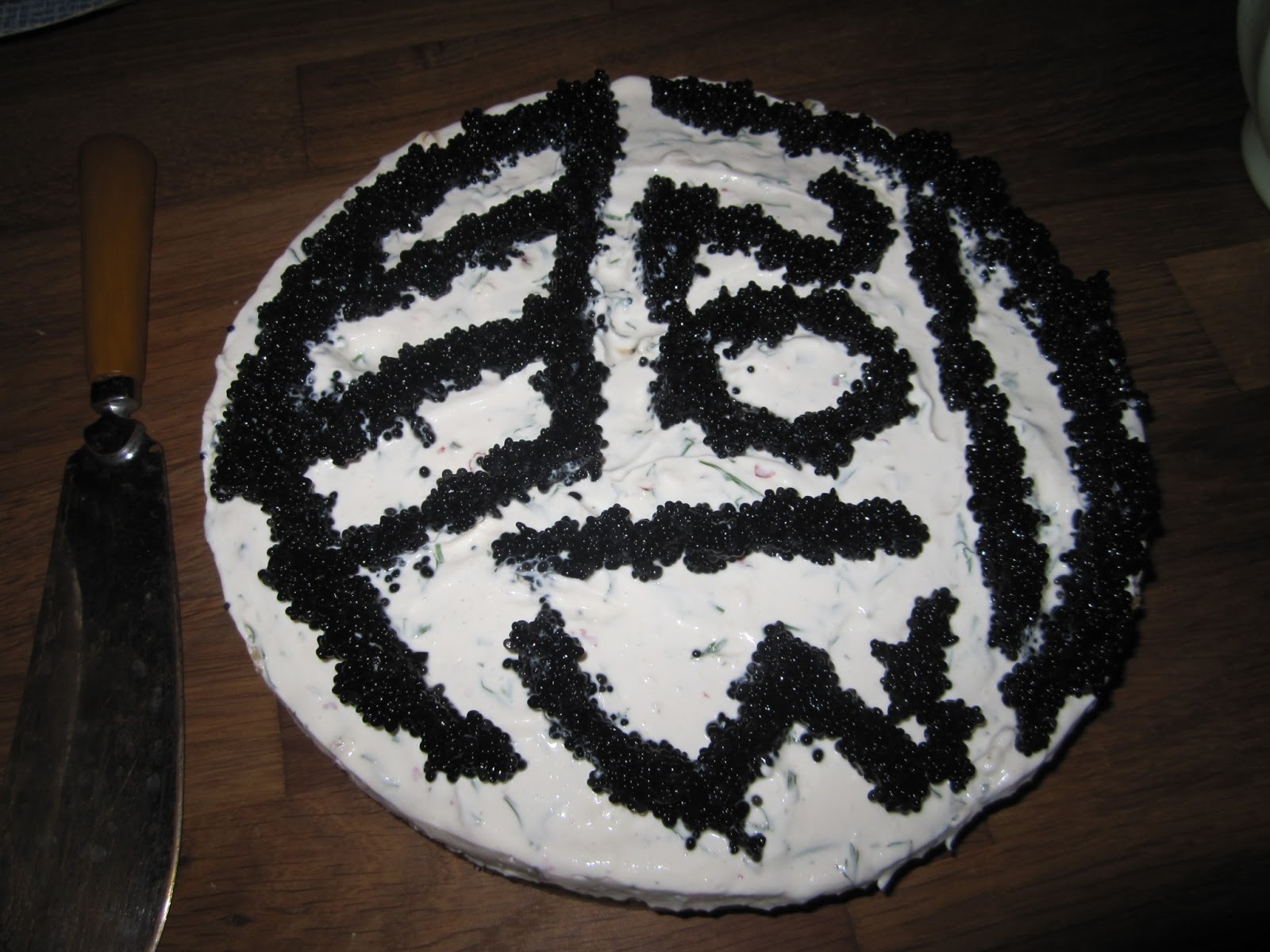
PS. The cake is a vegan dark rye bread cake with seaweed and is now a NYE tradition, lovingly made by "big sister".