Friday, 25 January 2013

Question 2: What does it mean to you being English/Swedish?

A few of the people I stayed with were born in countries outside England or Sweden or had mixed nationalities, but I've included some of their answers as well.

What being English meant to people in England


Cricket in the summer (I prefer playing to watching).Yorkshire pudding. Full English breakfast. Ploughman’s lunch. Tennis – Wimbledon. Buildings. Great language to play around with. Multiculturalism. Enjoying the seasons. Having a small country with lots of different stuff in it – different aspects of the country, dialects etc. The coast. Literature, poetry. Get a cup of tea and watch David Attenburg’s antic road show. I definitely identify myself as being English, more than British

Not very much really. To be proud of being English is a violent and dangerous thing

A sense of belonging, a rooted feeling of seeing the English countryside

Shared associations, cultural references, shared collected experiences of my generation living in England, all the things I've been part of: the women’s liberation moment, political things, demonstrations

My travelling has made me more diluted than being English. I like a c cup of tea and English food actually. Curry is very English. I’m privileged to be British, the passport can take you anywhere. We have the NHS. We’re allowed to be eccentric, people are more similar in other countries, punk and all that came out of Britain

I’m half Irish, I’m not totally at home with my Englishness. It can mean a high hybridity, a lot of people are half Irish, half Scottish, half Welsh…

There’s nothing but benefits being English. I had great education. I’m not poor. There’s a great health service, NHS is really a great English thing

I’m only half-English, my mum is half Scottish, half Welsh. It doesn't mean much to me… An accident of birth, I happen to be here because of my parents. I’m nor proud or ashamed. I identify myself as British

Well, I’m half Irish. We should be European, integrated with everyone. We were a sea-faring nation, we have the potential of being inclusive of everyone. It doesn't mean much to me really, everyone is mixed up, that’s one thing that’s good about modern Britain, we get a lot of different views and cultures mixed together. I identify as British

We can travel anywhere with our passport. Have not thought about that, am not a massive patriot. The only time it was handy being English was in South America
because they hate the Americans. I only identify as English because of my accent I suppose. We didn't have football in our lives, no church of England religion… We were not segregated out to be English

Well I've never actually felt English, both my parents are South African, both of them had a kind of grudge against the British. Even if they’d decided to live here, there’s always this kind of thing, this pride in not being English. I grew up feeling I’m glad I’m not English. I don’t feel completely English when I've travelled abroad, I've felt a little bit almost ashamed of being English, don’t know what that’s all about, if that’s our history, the whole colonial thing, and the English are mocked for their reservedness

I used to say I was English, but it wasn't very PC, so now I've changed to saying British, it’s almost an abstract feeling, it doesn't differ from being anything else

I feel very proud to be English. People seem to get very excited about English people abroad. They ask you questions about stereotypical things. I like that people have an idea about English things. I love our history, people from the entertainment industry are known worldwide.


What being Swedish meant to people in Sweden


That I have a natural right to be here, that I’m someone who is considered worthy of living in this country

I think of myself as Swedish. What a question! It’s not something I've thought about a lot. It’s good I suppose. Sometimes you can almost feel that people treat you better, Swedes have quite a good reputation after all

I guess I feel like a quite typical Swede, shy and quiet, like Swedes often are. I can feel that I’m lucky to be born here, compared to somewhere else in the world. Here you always got somewhere to live, you’ll get by

That I’m a citizen of a country that is very hypocrite

My mother tongue Swedish identifies me, it’s the language I know best, the language I feel most at home in, and can express myself in

Not more than that I happen to live in the part of the world that is called Sweden. I’m a human being on planet earth. In practise I've grown up here and my behavior and personality is moulded by the culture, you see that when you go abroad. My life philosophy is that it’s important to reflect if I've chosen my country/culture/religion of free will or do I just carry on the way I was raised?

The freedom to room. I've got Finnish heritage, but don’t see myself as half Finish. Although I feel a little bit at home when I hear the dialect, a bit of a home feeling, even though I wouldn't be able to live there

The way I look at it I’m very privileged that I’m born here at this time which means a lot of relative freedom to create and shape your life the way you want it. The privilige to live here in the 2010s. But I’m not very patriotic

A kind of security in a way. Sweden has a safety net, things that work, schools, health care, if something should go wrong you would get help. When I was younger I was often told that I don’t look Swedish. My grandma came here as a little child, she was half Austrian  half Polish Jew. When I’m travelling I say that I’m Swedish, it doesn't go deeper than that

It’s not something you’re ashamed of, it feels good. It feels as if one tries to be a bit more open, many Swedes are narrow-minded and hold on to traditions, so one tries to be a bit more open

Quite a lot, am quite proud to be Swedish after all, that you have all traditions, it means a lot to me. I might as well have a Swedish nationality as any other nationality, but I’m Swedish, all my relatives are form Sweden

Freedom is the first thing I think about. We can live as individuals to some extent. Freedom as an individual, not too much Big Brother. Very liberal. Nobody tells me what music to listen to or what sites that come up on the net

Freedom. The freedom to room. That things are open, buildt on common ground that people can walk on. I don’t need to feel guilt when I walk about, that I’m an intruder. I righteously walk on the streets.

What defines Swedish is up to each person. If you’re from Iraq and have a citizen ship you might not feel Swedish anyway. And you can live here and not have a citizen ship and feel Swedish. I think I would always feel Swedish. It’s up to the individual to decide that now I’m Swedish

It’s really hard, in the States it’s good fun, they like you there if you’re Swedish. You can always be proud when someone says: ”Is that the country where you have high taxes?” Then I say: ”Yes it’s us, we take care of each other over there.”

I’m grateful that I’m Swedish, that I was born in Sweden, when you look at the state of the rest of the world, you have all sorts of opportunities here. I see myself as Swedish with a mix of molecules from outer space, a citizen of different parts. I’m just as home in Egypt or France; when I was there I thought ”I could have been born here”


What being Swedish/English means to me


I can’t get away from being Swedish. Sweden is the country I was born in, so yes I’m Swedish, but it doesn't necessarily mean that I feel Swedish. After ten years in England I feel a bit alienated as I haven’t bothered to follow the Swedish news while I've been away, and I have no idea who different celebrities are or what other cultural stuff is going on. Not that I care about celebrities, but sometimes it would be good to at least have an idea what people are talking about. On the other hand I felt just as alienated in England, never quite understanding the system. And I hadn't grown up with the same TV programmes as my friends.

What makes me feel Swedish is that I have a very strong relationship with nature and forest in particular, but then nature lovers live all over the world. What makes me feel English is that I've lost a bit of my “Swedish moral”, before I was more rigid when it came to certain rules, now I've let go a bit. But it doesn't mean that English people have no moral! It’s very hard to base your identity on national values or traditions. I prefer tea to coffee. I like having an English breakfast. And I only put the light on in the room I’m in at the moment - I don’t do what most Swedish people do: keeping the lights on in rooms they aren't even using. And I say “thank you” every time I order something as the word “please” doesn't exist in Swedish, and I say “sorry” a lot when I bump into people. So I've brought some English habits to Sweden, but then again, it doesn't necessarily make me English.

A lot of the people I stayed with had either lived abroad for a while or travelled a lot and I think that opens your mind. You realise what habits and ideas you carry with you, which ones are good, which ones are not so good.

I’d never say that I’m proud to be one nationality or another. As some people answered: I just happened to be born in Sweden. Sometimes it annoyed me when people in England kept asking where I was from, but sometimes I enjoyed the attention. (But I don't know why so many Englishmen associate Swedish girls with porn! Very irritating!) There are many times that I've wished that I was born in England just because it would be great to have English as a mother tongue. No matter how hard I try, the English language will never feel as easy to use as the Swedish language.


This study is by no means scientific, the answers are based on interviewing fifteen people in England and fifteen people in Sweden, aged 22-59. Look out for the next question: What traditions do you celebrate?


Friday, 18 January 2013

Question 1b+c: What would you NOT miss about England/Sweden if you lived abroad and what would you like to change about your country?

People gave very similar answers to what they would not miss and what they would like to change about their countries, so I have put the answers together. I've published the answers in a rough order of popularity.

What people living in England would NOT miss about England and what they would like to change


For people to be more direct, more warm, more open
Wanting people to be warmer to each other and strangers
The unfriendliness. For people to be more respectful of each other in public spaces.
“People can be quite cold, people are not as hospitable as in other countries. People here can be really private, they don’t want to be disturbed.”
“English people can be a bit guarded, abroad people aren't suspicious of strangers right away.”
Bad manners, up-tightness, the British reserve
The non-reliability, people not keeping their word

“There’s a bit of an attitude of looking out for yourself, it didn't used to be, people are making money, not giving it to anyone, not looking out for other people, there’s more of a grabby attitude going on.”

A more positive attitude towards life and other people in general. “It’s not OK to do well in England, you’re looked down on. If someone’s doing well you don’t get enough encouragement.”

David Cameron
A system that pretends it’s democracy, the deception of politics
The zeitgeist culture, the way this country is run
Insularity, Anglo-centricity
The Xenophobia, “It’s not so apparent in Brighton, but a lot of the country is quite racist”
Get rid of racism “People think you should get stuff just because you’re British, people just want things for free and aren't willing to pass it forward,  there’s a racist culture, because the they want someone to blame, they've got this idea that it was better in the old days, I’m not sure it was really.”

The bureaucracy. “There are a lot of forms to fill in.”
Red tape bureaucracy, all the rules for everything, lack of being able to do what you want, applying health and safety to everything.
The nanny-state, ”my friend couldn't take a picture of her child in the swimming pool,
is everyone a pedophile?”

“The establishment is too entrenched with public school and the royal family, it feels a bit oppressive at times.”
The way some people have gone about the Jubilee, “stop putting so much emphasis on the royal family”

Council estates, chavs
Binge drinking
The class system “I can’t bear snobbery”
The snobbery “I hate the facade English people put on, they say one thing, but mean another. They talk behind each others backs”

“Mainstream British poetry is apathetic and dull and it’s all Larkin’s fault. I would
like people to be more critically engaged and interested."

Less of a youth culture, more mixing between the ages

TV celebrity culture, the negative news, Daily Mail, gossip magazines, the British Press, “some countries have newspapers that print news”

Small living spaces

Unpredictable weather, long wet grey wintertime, the weather, the crap summer weather, “I like having seasons, but would like to have seasons that do what they say they do”

Trains

What people living in Sweden would NOT miss about Sweden or what they would like to change


Move Sweden further South. The Weather, the rain, the cold, the winter. The cold and the darkness. The summer should be longer and dryer, wanting the Swedish summer to really be summer. ”In winter you’re so aware that the weather is shit, but you’re prepared for it, it’s more frustrating in summer.”

”It’s a bit too moralising sometimes, but it’s not only a bad thing it depends on how much I agree.
”Sometimes it’s annoying that Swedish people are so obedient, there are so many rules and that, abroad people don’t queue and they smoke everywhere, there’s more freedom, but sometimes I can miss the Swedishness, there’s a bit of hypocrisy.”
”There’s a lot about the square thinking that annoys me but that I also appreciate”.

”That Swedes are so smug and gullible and think that Sweden is so fucking great and that everything works in such a blind way, you think that authorities are right just because they’re authorities.”
Narrow-mindedness, ”many people think Sweden is the centre of the universe and that everything revolves around us”

That everybody has to be the same and that you’re not allowed to be good at anything
The bitterness, the apathy, that there’s no spark.

The racism, the growing suspicion against foreigners, a growing “we and them”-feeling, the segregation
“Multi-culture is an area where we lack debate and information.”
”Sweden should be much bigger. You should bring a million Chinese people here, it’s so fucking small everywhere. There should be more bigger cities that are exciting to explore.There should be more of everything.”

”Political debates should be kept at a relevant level, not about voting after the wallet and things like that.”
Fire 75% of the politicians. The conservative government.

The pubs and bars. ”It’s so much nicer to go out abroad”.
Expensive to go out and have a beer, expensive to go out an eat
The Swedish non-spontaneity, to just be able to meet after work. ”Here everything needs to be planned, it kills the spontaneity, limits the social life”
For people to be a bit more open and sociable. The quietness, that we’re so suspicious.

People should be better at taking care of old people

The stress, Christmas eve

My thoughts: Warm and Cold

Everybody knows that English people are traditionally known for being polite, that’s why it was interesting that so many people living in England wanted people to be more warm or open. But then being polite is not the same as being warm and open… Swedes wanted people to be more sociable as well, but it wasn't as high on the list. For Swedish people the weather and the winter seemed to be the biggest topic for dislike and change.

Racism is a problem in both countries. English people seemed slightly more upset about the system and how the country is run. Swedes have mixed feelings. And for the moment I’ll leave it to someone else to analyse the rest of the politics.

What I don’t miss about England is the cold inside, the cold houses. Not a single English person mentioned cold houses: they’re used to it. It’s just me, born a fussy spoilt Swede with no right to complain… What I’d like to change anyway is the housing situation, making it cheaper and easier for people to find a good place to live.

What I don’t miss about Sweden is … yes, the cold outside, the long winter. And I would like people to be more polite and say sorry when they bump into you.

In both cases my list could be quite long, but I just wrote down the very first things that popped into my mind, and that’s how most “Swenglish people” answered the questions.

This study is by no means scientific, the answers are based on interviewing fifteen people in England and fifteen people in Sweden, aged 22-59. Look out for the next question: What does being English/Swedish mean to you?


Thursday, 10 January 2013

Question 1a: What would you miss about England/Sweden if you lived abroad?

Most English and Swedish people naturally mentioned family and friends, but apart from people and pets this is what they came up with:

What people living in England would miss about England


The English humour, the British character, the banter, having a laugh, taking the piss, talking bollocks

Cups of tea, proper tea, tea and biscuits

Pints, real ale, the pub culture

Baked potato, Marmite

Some beautiful places, the nature, the landscapes, the greenness of English countryside, the four distinct seasons

The cultural diversity

Great things happening in summer, festivals, camps and events

Going to London to see shows and art exhibitions, free galleries and museums

English bookshops, Waterstones, Newspapers, the Guardian, Music, club nights

Supermarkets, Sainsbury's

The familiarity, knowing the ropes, associations, the history of growing up here

The convenience and ease of public transport, free health care


What people living in Sweden would miss about Sweden


Understanding the system, going to the bank and understand how it works, not having to compromise and getting used to the ways of another culture, knowing how to handle situations without having to think

How society is structured, that everybody has an okay standard of living, pretty well organised, not so much corruption, the security, the safety net, the stability, the reliability

Feminism, questions about gender identity, freedom, freedom of speech

Some comforts, the Swedish standard, that things are fresh and clean, our washing powder

Nature, the lakes, swimming outside, the freedom to roam, the forest, space

Snow in winter, the seasons, the Swedish summers

The Swedish traditions, Lucia, Christmas, crayfish-parties, midsummer

Salty liquorice, mayonaise, pizza salad, pizza, kebab, Christmas smörgåsbord, meatballs, Marabou chocolate, bread, crisp bread

The coffee

Hearing your own language, different dialects, to be able to read really fast

Friskis & Svettis (an amateur gym)


Similarities and differences: Humour and Pizza

Both people in England and Sweden would miss the nature and the landscape they are used to which wasn’t very surprising, but it seemed more important to Swedish people probably because there’s more forest in Sweden.

What surprised me most was that a majority of Swedish people are very attached to security and are obsessed about knowing how the system works, only one person living in England mentioned “knowing the ropes” and feeling familiar with how society is structured. Perhaps English people feel more alienated from the so-called system and don’t value it as highly as Swedish people do. And I must admit that I really missed the Swedish standard with warm houses when I lived in England…

About half of the English people I stayed with would miss the pubs, not a single Swedish person mentioned anything about drinking culture. And not a single Swedish person mentioned anything about a sense of humour. I don’t want to conclude that there is no drinking culture and no such thing as humour in Sweden, but the English are definitely better at pubs and cracking jokes.

Quite a few English people would miss “proper tea”, no one in Sweden  would miss tea, but one person would miss coffee. On the other hand Swedish people seem more keen on their food, and even though pizza isn’t originally a Swedish dish that’s what most people would miss.

People in Sweden wouldn’t miss any cultural things like museums and art galleries, but on the other hand they would miss traditions that are typically Swedish, like Lucia.

I found it very funny that one English person would miss Sainsbury's, but the other week I found myself missing Tescos’, not the supermarket itself, but just certain products and knowing where things are on the shelves. That good old familiarity …

What I personally miss most about England is the English language and the politeness, and when I’m away from Sweden I miss the Swedish language and above all the nature.

This study is by no means scientific, the answers are based on interviewing fifteen people in England and fifteen people in Sweden, aged 22-59. Look out for the next question: What would you NOT miss about England/Sweden if you lived abroad?


Friday, 4 January 2013

Happy New Year - 2013 is yet uncut


1 January I was too tired too think, but I spent most of 2 January in tears, crying because Swenglish was over. Because of my project, 2012 was probably the most structured year in my life since I went to school. I knew where I would be from week to week, and yet I was in the hands of other people and didn't have to make too many decisions of my own as I was living someone else's life.

And here I am with a new year and no plans. Well, that's a lie. My big goal is to complete the Swenglish book based on my project and find a publisher for it. While I'm writing I hope other things will become more clear. I know that I want to write and that I want to study, but I don't know what and where to study. I still stand with one foot in the forests of Sweden and one foot on the beach in Brighton&Hove.

A part of my project was to ask each person I stayed with 30 questions, hoping that 30 different (or sometimes very similar!) answers to each question would help me looking at my own life. My plan for the blog this year is to discuss one question a week and publish some of the answers (anonymously of course).

So look out for the first question coming next week: What would you miss about England/Sweden if you lived abroad?

PÅ SVENSKA

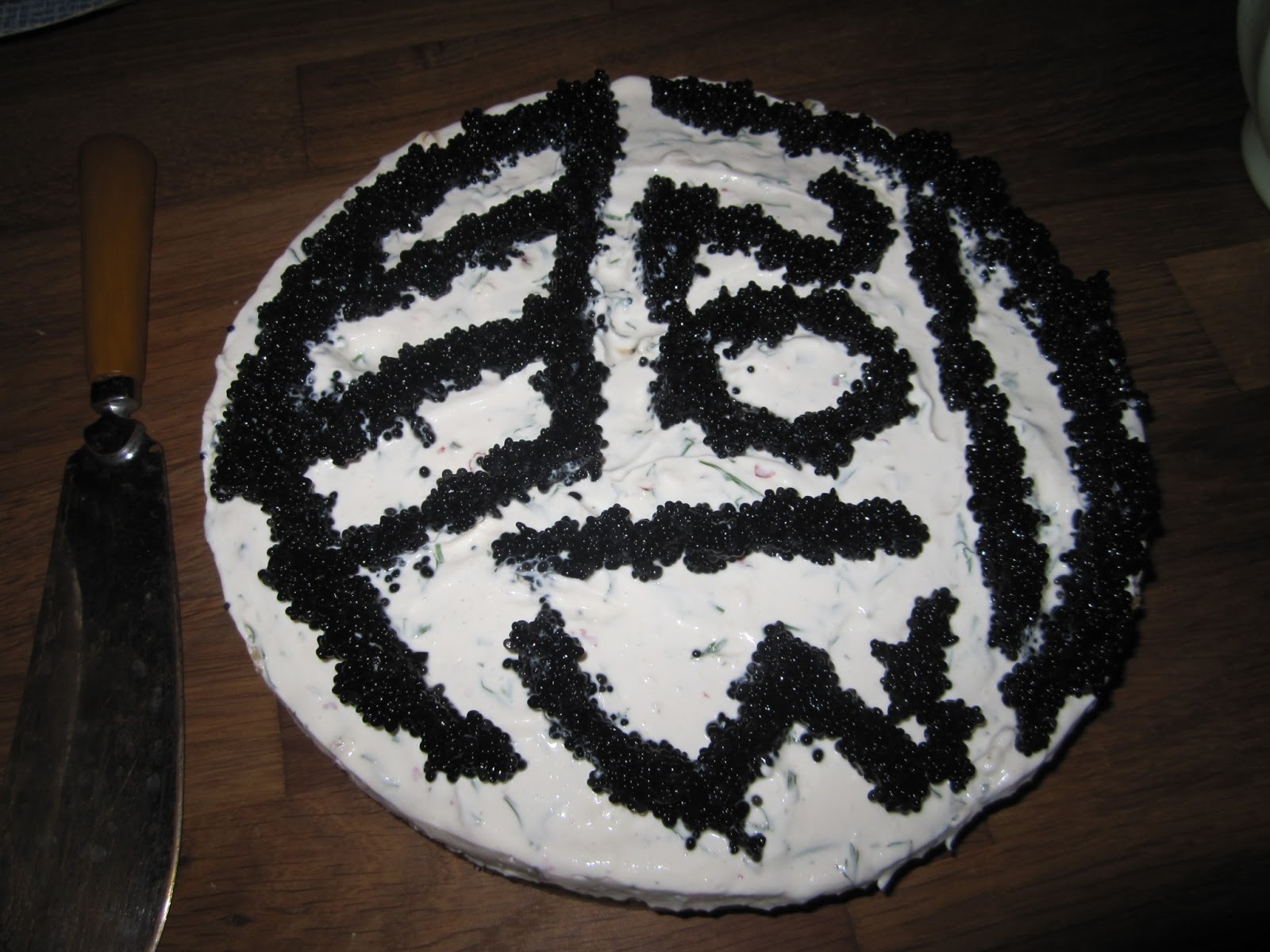
PS. The cake is a vegan dark rye bread cake with seaweed and is now a NYE tradition, lovingly made by "big sister".

Sunday, 23 December 2012

The Difference between Swedish and English Christmas


Normally I get the best (or worst!) of both English and Swedish Christmas. Usually I spend most of December in England and get to eat mince pies and drink mulled wine until I'm fed up with it. Then I go to Sweden just in time for Christmas to enjoy gingerbread snaps and "glögg" (The Swedish version of mulled wine served with raisins and almonds).

This year I've been in Sweden for the whole month and therefore I've missed out on all the English Christmas parties. To me it seems like the English Christmas is louder and merrier especially with the crackers and silly little hats. Swedish Christmas feels quieter and more holy. Already on the 13th we get a bit of holiness through Lucia, people dressing up in white,  putting candles in their hair and singing carols.*

I'm not going to talk much about the food as I'm a vegetarian and both Swedish and English Christmas is very meat based, but to simplify it: Swedes eat ham and the English eat turkey (and perhaps roasted swede, but parsnip is more likely!). In England people usually get a plate with all the food while people in Sweden help themselves from a buffé known as a smörgåsbord.

Maybe the biggest difference is that Swedish Christmas is celebrated on Christmas Eve, and Santa knocks on the door and enters the house to deliver the presents. (In the picture last year's Santa knocks on the window.) In England Christmas is celebrated on Christmas Day and Santa usually leaves the presents in a stocking.

So what do I prefer?
Mince pies or gingerbread snaps (pepparkakor)?
Mulled wine or glögg?
Merry or holy?
Xmas Eve or Xmas Day?
Santa himself or a stocking?

The answer is of course ... I want all of it! I want a Swenglish Christmas
and therefore I got my brother to buy crackers from The English Shop in Stockholm.

PÅ SVENSKA

*I'm aware that I'm generalising and what I'm writing is just personal observation. There are some Swedes that get very merry indeed after a few "snaps" (shots of spiced vodka). And there are some English people that have holy nights too.

Sunday, 16 December 2012

Week 30: Last Week - Creations in the Countryside of Småland


I only had three hours sleep after the Stockholm drama last week,
but there's no rest for the wicked ...
When I arrived at my last host's place I had to participate in making cheese cake.
Swedish cheese cake is nothing like English cheese cake.
The biggest difference is that the Swedish version doesn't have a crumbly base
and it contains lots of almond, both sweet and bitter.
The milk we used came from local cows that had been milked that very morning.


Making cheese cake wasn't half as difficult as making Christmas cards though.
It took me two hours to make one single card at my host's work place.


Luckily I could join the staff Christmas party the day after, including a great SPA.


And I relaxed even more taking a walk around Flisby in the county of Småland.


Minus sixteen degrees when driving to town one morning!
The Swedish winter tyres with studs were much needed.


One of the tasks my host gave me was to feed the birds.
We had some "Lussekatter" - Swedish Lucia saffron buns - left over and the birds loved them!


One Saturday morning we went out in  nightie and pajamas and made snow angels!


As a grand final I made a painting as my host is a super cool artist and she often makes art with an abundance of glitter - Christmas or not.

Now I've arrived at my parents' place. It feels unreal that I've completed my thirty weeks of staying with thirty different people. So the big question is what's next?
The most important thing is of course to write my Swenglish book based on these thirty weeks, but first I need some rest. I have some ideas about where to go and what to do ...
However I still don't know whether to settle in England or Sweden. My ultimate dream is to have a flat in Brighton and a house in the countryside of Sweden.
A journalist who interviewed me this week suggested that I marry a Swedish farmer ... no way!
I was going to milk a cow the other day though. Unfortunately it was cancelled due to illness, but I'm going to do it next week perhaps. To be continued ...

I will still update this blog weekly, so see you later dear readers.

PÅ SVENSKA


Sunday, 9 December 2012

Week29: Stockholm Drama

Last night I had to call the police. My host was trying to stop a fight at a tube station in Stockholm and was protecting a guy who was bleeding. The police turned up very quickly and we could go home, but I still feel a bit shocked.

Sometimes it feels like Stockholm and Sweden are two different countries. I've spent four weeks in Stockholm with four different people during Swenglish, and what they have in common is that at least three of them are stressed, more stressed than people living in other cities.

Stockholm is where it all happens. Both good and bad stuff. This week I've been to the opera for the first time in my life and I've been to a PR event for a new magazine and I've been to a bar/club where only selected people got a stamp and an entry to the "secret" dance floor. I've seen two very good authors, Karl Ove Knausgård and Nina Björk. I've also been to McDonald's for the first time in twelve years, a place I would never have entered if it wasn't for this project and the fact that I have to shadow the person I'm staying with.

Now I'm on the train on my way South to Småland where I'll spend my last Swenglish week in Flisby, the village where my dad grew up. Hopefully it should be quiet, but I've learnt to expect the unexpected ...

PÅ SVENSKA

Thursday, 6 December 2012

Week29: Winter Worryland


When I first saw snow back in October I was excited and felt very English – or perhaps childish – for pointing at the flakes saying ”Look it’s snowing!” as if I’d never seen snow before. Now when there’s winter for real in Sweden the novelty is gone.

And I’m worried. Will I survive the Swedish winter? I haven’t spent a whole winter in Sweden since 2002/2003. The snow is like an unexpected the guest that you are happy to see briefly in October and can put up with in December, but when that guest is overstaying until April you’re very fed up. Perhaps this white guest will leave for a few weeks and you’ll feel the vibes of spring, but just as you put your winter coat in the cupboard you can be sure that Ms White returns once again ...

At least the Swedes are better prepared for winter than the English. For a start: it is very warm indoors! No one is saving on the heating as most people who live in flats whether they’re are renting or owning have the heating included in the rent or fees. The traffic doesn't stop even though there are delays.The schools and shops and libraries don’t close. People don’t panic buy food in the supermarket. In a way I miss the days of occasional snow in Brighton when I could leave work at 3pm because there was no public transport ... (Ironically my host this week couldn't leave work because they were removing snow from the roof outside her office.)

And I’m not just worried about the snow. I've only got two weeks left of Swenglish, two weeks of deciding whether the live in Sweden or England. The snow is definitely going against Sweden, but the standard of housing is a big big plus.

PS. If you wonder about the skull on my coat pocket, it's not a Christmas tree decoration as an English friend once thought. They are ”reflectors” and a majority of people wear them in Sweden so they can be seen by cars in the dark. 

Wednesday, 28 November 2012

Week28: It's Me or the Cats!

”I’ll be surprised if you make it to 30 weeks. Do you realise how tough it is?” That’s what a friend said when I told him about Swenglish. I've had a couple of moments (like week8 when I was sick and staying in a caravan) when I've thought ”I’ll never make it to the end”, but I've never been as worried as I am now.

With only two and a half weeks to go things are starting to go a bit wrong. Last week’s host cancelled with a day’s notice because her child was sick and I had to call a person on the waiting list who luckily said yes to hosting me. This week I've had a cat problem.

My host lives in a one bedroom flat with three cats. I’m aware that I’m a bit allergic, but thought I’d give it a try. I lasted two days. Then I got fed up with not being able to breathe properly because of my asthma, so we had two options: moving me or moving  the cats. As you might know, dogs have masters and cats have staff. And it would have been a matter of removing all the hair as well, so it was easier to move me.

Now I’m back with last week’s host who was kind enough to let me crash at his place, even though he’s annoyed with me for leaving sock fluff everywhere and splashing water all over the bathroom. To his relief I’ll still follow the cat mummy around in the daytime as I've promised to help her organise a birthday party. Her 40th. (I doubt I’ll have to make cucumber sandwiches as was the case for the birthdays during week5.)

God knows what I’m doing in 10 years time ... all I can concentrate on is completing Swenglish. Let’s hope I last another 2 weeks! I just got a text from host number 29: ”Eat garlic so you don’t get sick for our mad week! :D”. Who said Swedes were boring?

PS. I really love cats, it's so unfair that they make me sneeze and itch and of course I can't help cuddling them even though I shouldn 't ...


Thursday, 22 November 2012

Week27: Leading English Park & Winning Bandy Team


I had no idea that one of the most English parks in the world is situated in Sweden. I’m back in Stockholm and my host recommended that I walk through Haga Park near his work place. On an information board it said ”one of the world’s leading English parks”. Apparently an English style park consists of view points, lawns, bushes, trees and winding paths. How original. I must admit I didn't see all of the park, but I came across a ”Turkish Pavilion” – which reminded me a bit of the the Royal Pavilion in Brighton.


Last week I tried my luck on the ice, this week I ended up by the side as a spectator, drinking beer. Bandy is a winter sport similar to ice-hockey, but instead of using a flat black puck, the game is played with an orange ball, a bit smaller than a tennis ball. The playing area is bigger than in an ice-hockey and usually the game is held outdoors. 

My host is a fan of the south Stockholm team Hammarby and they won the game against GAIS from Gothenburg with 8-1. Even though I think it’s quite an artful sport to watch, I lost interested after 4-1, feeling sorry for the losing team. I also felt a bit restless because I wanted to be on the ice myself, I quite liked bandy when I was little, as my hometown Nässjö is a ”bandy town”.

After doing so much sport last week I kind of got addicted to the endorphin kick. I’m not interested in competing or running faster or longer, but every time I've stayed with people who exercise a lot I've felt very happy and energetic, and I hope I can keep up with it after Swenglish is completed. One person I stayed with even used the gym as a substitute for anti-depressants. Normally my host goes running three times a week, but he’s having a period of rest at the moment, so I’m climbing on the walls! (Not literally this time ...)

Wednesday, 14 November 2012

Week26: Lou on Ice

It wasn't my first time on skates, but it was the first time I did ice-skating properly, i.e. trying out jumps and gliding with my leg in the air. My host this week is a professional ice-skater and I joined the class she is teaching.

I'm proud to say that I only fell over once. However another lady in the group was proud that she had fallen twice: before she had been afraid of falling, and to learn you have to be willing to take risks and be prepared to fall, so perhaps I’ll fall over more next time ... If there’s a next time! I think I prefer ice-hockey, because at least then you’re allowed to wear proper equipment like elbow- and and knee pads.

I’m staying on the West Coast of Sweden in Halmstad which is a summer city, but no matter where you are in Sweden there’s always an ice-rink where people do sports like ice-hockey, bandy or ice-skating. Before we went on the ice we had been running on the beach – including some cross fit exercises – so my legs were already a bit sore. And on Friday night I've been promised zumba dancing. This is the most sporty week since Swenglish Week 11 when I stayed with a girl who took me running and climbing. But she also took me to the pub after we’d been exercising. Here I get protein shakes and vitamin smoothies! The Swedes win when it comes to being healthy ...

Anyway, I’m very grateful that I got to try ice-skating. Through Swenglish I've realised that I feel the most alive when I try something new and challenge myself - no matter how scary it is. 

Sunday, 4 November 2012

Week25: A Vegetarian's Nightmare

I had feared this week for ages. As a part of Swenglish I shadow my hosts at their workplace when possible. My childhood friend and current host spends her days cutting up pigs and making mince out of cows. Luckily I just had to observe rather than take part, but that was sickening enough.

In Sweden there are hardly any proper butcher’s shops left. The closest you get to a butchers’ is the ”fresh” meat area of a supermarket, but even so that kind of business is dying down in favour of pre-packed meat.

The small supermarket where my friend works is situated in a village near my hometown where the local dialect is very strong. I found it amusing to listen to the customers who sounded very rude, even if they didn't mean to. There aren't any pleases and not too many thank yous in Sweden.

At the end of the day I helped with the washing up, rinsing off corpse parts from the trays and pouring bloody water down the sink. And I was close to puking when I was shown the ox tongue. My friend thought I would get used to it, but I declined her offer to spend another day at her workplace ... To me, eating pigs and cows and sheep is the same as eating cats and dogs and other pets, so that's why I find it so hard to handle meat.

I’m pretty convinced I’ll remain a vegetarian for the rest of my life. It’s better for the animals, the environment and the health. Even though it was a small supermarket, I was happy to find a few vegetarian and vegan products like oat ice-cream and soya sausages. In general I think there are more and better veggie options in English shops, and the labeling in Britain is great: you don’t have to read the ingredients, just look for the wording ”suitable for vegetarians” which doesn't exist in Sweden.


Friday, 26 October 2012

Week24: Subtle Differences - Size Matters?

So what have you found? What are the differences between England and Sweden? People keep asking me, but the further I get into my Swenglish project the harder it gets to answer the question.

Apart from the obvious differences like the climate (it snowed last night in Stockholm!) there are the more subtle differences that I find interesting. They can be hard to discover, but last night I found out that size matters - or not.

I was at a film/poetry/music event with my host and I was going to order wine at the bar. ’Would you like a small or large glass?’ I asked. My host looked at me, not quite understanding. In Sweden there’s only one size when you order wine, generally large. Whereas in England you have a choice between 125/175ml or 250ml in most places.

It’s the same with beer. I was out in a bar when I stayed in Malmö and my host asked if I wanted another beer. ’I don’t know,’ I said. ’Perhaps a half.’ My host looked confused. In Sweden there’s only one size: ”en stor stark” which means ”a big strong one”. (Although in some places, like British or Irish themed pubs you can get different measurements.)

So what does this say about the cultures then? That the English are more nuanced with their difference sizes? And that Swedes just want to get more drunk? Or perhaps the English are just more fuzzy, bothering about size? Personally, I miss being able to order a small glass of wine or half a pint, because sometimes a big glass or a pint is too much, especially at the end of the night.

Friday, 19 October 2012

Week23: Community Life


This week I’m staying in the first and only community during my Swenglish journey. Four adults (five with me), two kids, one cat and one horse are part of the household. The house is from the 1850s and is located in the countryside outside Umeå. The forest is everywhere and it’s quite close to the sea. Every day vegan food is served. Some days they eat together, sometimes they don't. There’s a ”cleaning spinner” to share the chores, but it’s not in use anymore. Despite that it’s as tidy as it can be with small children in the house. It’s not at all as chaotic as in Lukas Moodyson’s film ”Together” ...

In England I stayed in some households with four or five people, but that didn't make it into a community. Just because you live with more than one other person who is not family or close friend it doesn't automatically become a community. In England, at least in Brighton and other bigger cities, people live together because they have to. Not only when they are students but also when they get to their 40s or 50s. It’s common that people who don’t know each other at all put their names on a contract and move in together.

In Sweden it’s much more common that people live on their own and if you live together with someone you often choose to do so, and then it’s not for economical reasons as was my experience in England. There are communities in England as well of course, and like in Sweden they are often based around  political or spiritual beliefs. But what I’m trying to say is that in Sweden it’s not as common to live with several other people if it’s not a community and people here readily call a household with more than two people a community even if it’s not. (In Sweden we don't even have any words for "housemate" or "flatmate".)


So what makes a community into a community? Why isn't it enough just to live with several other people? I haven’t yet got a good answer, but the thing about having the same ideology and values seems to be a criteria. My host who is a "leftie" could not imagine living with people who are right-wing even if she has good discussions with them when meeting them out. She wouldn't be able to live with people who eat meat at home either. Why is it that it’s almost always left-wing people and very often vegetarians that live in communities then? Why have conservatives and meet eaters not discovered community living?

I’m now well into my twenty-third Swenglish-week and have lived with so many different people in so many different places that I think I need to live completely on my own for six months just to find out what my own life-style and my own habits are. All my life I've adjusted myself so much to the people I've lived with that I don’t know if I’m tidy or messy, if I’m an owl or a lark. Although after I've tried living on my own I’m not against the idea of a community. If only I've got a room where I can lock the door and write, things usually work out. It’s quite nice having people around, being able to choose if you want to have company or be on your own. And if people have kids there are extra baby-sitters. (In Sweden the word for baby-sitter is "child guard" ... to guard someone doesn't sound quite right!)


This week I don’t have a room of my own. But I've got a partition wall so I can have some privacy as people pass my sleeping space to go to the toilet. All in all it has been a very varied week. Yesterday I was up on the horseback and the other day I first went to an ”open nursery school” and then watched my hosts when they rehearsed with their punk band. Tomorrow I’m going to a design market and I've also discovered that they sell very good vegan sausages at the Pressbyrån newsagent


Saturday, 13 October 2012

Week22: Up North


If someone had told me a year ago, when I had not yet come up with the Swenglish idea, that in a years time I would be in Umeå following an archaeologist for a week, I would have laughed.

I was stupid enough to go to the City of Birches without a winter coat and with boots that leek, so the first thing I did was to go shopping for welly boots with fleece soles. The seasons are more distinct in Sweden compared to England, maybe because there are more trees. I've never been so fascinated by autumn before; I can’t stop looking at the leaves that shimmer in yellow, orange and red. The seasons is something many of the people I have stayed with would miss if they lived abroad, but last week’s host said it would be enough to have winter every other year ...


If it wasn't for this project I would probably never have ended up so far North. Already when I changed trains in Sundsvall the air on the platform was like a curtain of ice. A bit like travelling from the South of England to Scotland. And it feels like I’m as far from my hometown as when I’m in England. In fact it takes the same amount of time to travel from Nässjö to Umeå as it takes travelling from Nässjö to Brighton.

The pace is more peaceful here. People speak more slowly and says ”fara” (”journey”) instead of ”åka” (go). Every time they’re going to visit a friend it sounds as if they were going travelling. Probably because of the distances up here. I've also learnt a new word: ”he” that does’t mean ”he” as in English: it’s a word for ”put” – a word that doesn't exist in the South.


What is it like following an archaeologist then? Well, a bit like hanging out with a living history book. I've followed my host to places where she’s been digging and they've found cooking spots from the iron age. But next week, when the frost comes it will be hard to dig. Now we’re going to journey out in the swamplands to pick cranberries!

PS. I'm up North for a bit longer, next week I'll be staying in a community a bit outside Umeå.

Tuesday, 9 October 2012

Week21: God = Aliens?


I spent the weekend at a conference with the Raelian movement as last week’s host is a Raelian. What is a Raelian? They look like you and me and they want to make the world a better place through technical development that will free society from work. They believe that we were created by people on another planet that is 25 000 years ahead of us.

Apart from meditating, watching video clips about future technology and UFO sightings we had a lot of fun as you can see in the picture. Competing in the Swedish national sport ”throwing the welly boot” isn't very high-tech, but the Raelians are so peaceful they forgot to count the scores ...

At night we went up the ski slope (no snow yet!) to watch the sky. I was happy to see a shooting star (my first ever!), and my host said that for him it’s not important to see an UFO; he believes they’re out there anyway, but that the aliens have better things to do than flying by the earth all the time.

The Raelians believe that it will be possible for us, human beings, to create life both here on earth and even on other planets, in a not too distant future. Perhaps I should go and live on another planet so I don’t have to choose between Sweden and England!


PS. Simplified life forms have already been artificially created on earth. In 2010 a group of researchers at the J Craig Venter Institute created a new functioning DNA-code that was introduced in a cell.

Sources:


Tuesday, 2 October 2012

Week21: Elks and Xbox


During Week10 of Swenglish I made fun of the fact that the English family I stayed with took me to a British Wildlife centre, but the wildest English animals we saw were otters and badgers. At the moment  I’m staying in Lilla Edet, just an hour outside Gothenburg and on the forest walk my host took me on we saw two elks! (A mother and a baby.)


This is Week21 in total and the sixth week of my Swedish part of the journey: just like Week6 in England I got to try something new: gaming. But whereas my English host let me try a shooting game on the computer, my Swedish host let me have a go at an Xbox game where I rafted down a river, using my whole body. My host uses this activity as a substitute for exercise in winter when it’s too cold and too much snow to go running in the forest.